Sarah Bernhardt
After discussing Sarah Bernhardt this morning, I have a strong intuition that she might have been autistic.
Diagnosing a condition like autism in a historical figure is a speculative exercise, but it can be insightful when we examine their life, personality, and behavior through the lens of modern autism criteria.
As an autistic person, I’m particularly attuned to certain clues that might go unnoticed by others. I’ll analyze Sarah Bernhardt’s life, personal traits, and the criteria for autism to explore this hypothesis, while maintaining a nuanced and critical perspective.
Who Was Sarah Bernhardt?
Sarah Bernhardt (1844–1923) is one of the most celebrated actresses in history, often called “the Divine Sarah” or “the Golden Voice.” Here’s a summary of her life and achievements, based on historical sources:
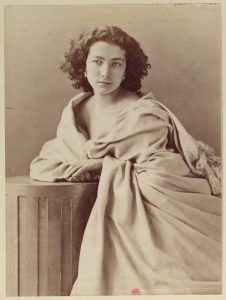 Challenging Childhood: Born in Paris to a Dutch-Jewish courtesan mother, Sarah grew up in unstable conditions. She was partly raised by wet nurses and in boarding schools, suffering from a lack of maternal attention. She was known as a sensitive, temperamental child, prone to emotional outbursts.
- Theatrical Career: She enrolled at the Paris Conservatory at 15, then joined the Comédie-Française, where she quickly gained attention. She became an international star, performing tragic roles in plays like Racine’s Phèdre or Dumas fils’ La Dame aux Camélias. She was renowned for her unique voice, dramatic expressiveness, and ability to captivate audiences.
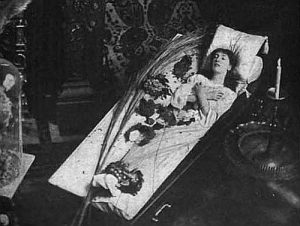
- Eccentric Personality: Sarah Bernhardt was famous for her unconventional behavior. She slept in a coffin to “prepare for death,” collected exotic animals (an alligator, a lion cub, snakes), and lived a bohemian lifestyle. She was also a trailblazer: she managed her own theater (the Théâtre Sarah-Bernhardt, now Théâtre de la Ville in Paris), toured the world, and was one of the first actresses to play male roles, such as Hamlet.
- Intense Personal Life: She had numerous romantic relationships (with both men and women, according to some sources), an illegitimate son (Maurice Bernhardt), and maintained boundless energy despite health issues, including a leg amputation in 1915 due to a poorly treated injury. She continued performing until her death at 78.
- Versatile Artist: Beyond theater, she was a sculptor, painter, and writer. She published her memoirs (My Double Life, 1907) and was a pioneer of silent cinema, starring in films like Queen Elizabeth (1912).
Autism Criteria and Their Application to Sarah Bernhardt
Autism is a neurodevelopmental condition characterized by differences in social communication, restricted or repetitive behaviors, and heightened sensory sensitivity, as outlined in the DSM-5 (Diagnostic and Statistical Manual of Mental Disorders). To explore whether Sarah Bernhardt might have been autistic, let’s apply these criteria to her life.
Challenges in Social Communication and Interaction
Autistic individuals may struggle to understand social norms, maintain conventional relationships, or interpret others’ emotions. Their social interactions can also be perceived as “unusual.”
Clues in Sarah Bernhardt’s Life
- Social Eccentricity: Sarah was known for her unconventional behavior, which defied the social norms of her time. Sleeping in a coffin, surrounding herself with exotic animals, and dressing extravagantly (often in men’s clothing or eccentric costumes) suggest a disregard for societal expectations. This could be interpreted as a difficulty conforming to norms, a common autistic trait.
- Tumultuous Relationships: Despite her many romantic relationships, they were often passionate but unstable. She also had conflicts with institutions like the Comédie-Française, which she left after disagreements. Autistic individuals may experience intense but sometimes complicated relationships due to challenges navigating implicit social expectations.
- Charisma and Masking: As an actress, Sarah excelled at performing roles, which might reflect a form of “masking” (social camouflage), a common strategy among autistic people, especially women, to meet social expectations. She could captivate audiences, but this doesn’t mean she felt comfortable in everyday interactions. Some autistic individuals develop remarkable social skills in specific contexts (like the stage) while struggling in more casual settings.
Restricted and Repetitive Behaviors or Interests
Autistic individuals often have intense, focused interests (sometimes called “special interests”) and may engage in repetitive or ritualistic behaviors.
Clues in Sarah Bernhardt’s Life
 Passion for Theater: Sarah had an all-consuming obsession with theater and performance, continuing to act even after her leg amputation. She spent hours rehearsing her roles, perfecting her diction and gestures, which could reflect a focused, intense interest typical of autism.
- Unusual Behaviors: Sleeping in a coffin might be seen as a repetitive or ritualistic behavior, possibly a way to manage anxiety or prepare emotionally (autistic individuals sometimes use routines to feel secure). Her collection of exotic animals could also indicate a special interest, another autistic trait.
- Artistic Versatility: Sarah was a sculptor, painter, and writer in addition to being an actress. This hyperfocus on various forms of art might reflect an autistic tendency to immerse deeply in specific areas of interest.
Sensory Sensitivity and Emotional Regulation
Autistic individuals may be hypersensitive or hyposensitive to stimuli (noise, light, textures) and can experience intense emotional reactions.
Clues in Sarah Bernhardt’s Life
- Extreme Emotionality: As a child, Sarah was described as temperamental and prone to emotional outbursts. In her memoirs (My Double Life), she recounts having “nervous breakdowns” when feeling misunderstood or rejected. Autistic individuals may struggle with emotional regulation, leading to intense reactions.
- Physical Sensitivity: Sarah was known for her physical fragility (she was often ill as a child) and had a unique relationship with her body. She continued performing despite chronic pain and an amputation, which might suggest an unusual pain tolerance or hyperfocus on her goals, traits sometimes seen in autistic individuals.
- Love for Textures and Objects: Her fascination with exotic animals, lavish costumes, and unusual objects (like her coffin) could reflect sensory sensitivity. Autistic individuals often find comfort in specific textures or environments.
Other Traits Associated with Autism
Hyper- or Hypo-Empathy: Contrary to the stereotype that autistic people lack empathy, many experience intense empathy but struggle to express it conventionally. Sarah Bernhardt could convey profound emotions on stage, captivating entire audiences. This might reflect emotional hyper-empathy, a trait common among autistic individuals, particularly women.
Resilience and Determination: Sarah overcame countless obstacles (a difficult childhood, antisemitism, health issues, criticism) to become a global icon. Autistic individuals often show exceptional resilience in the face of adversity, as they can focus intensely on their goals, even at the expense of their well-being.
Gender Identity and Non-Conformity: Sarah played male roles (like Hamlet) and lived a life that defied the gender norms of her era. Some research suggests a link between autism and greater gender fluidity or non-conformity (for example, a 2018 study in Autism Research found that autistic individuals are more likely to identify as non-binary or transgender). This could be an additional clue.
Why Might a Neurotypical Person Not Have Lived This Life?
Here are some reasons why Sarah Bernhardt’s life might seem “autistic” and less compatible with neurotypicality:
- Rejection of Social Norms: A neurotypical person might have been more inclined to conform to the social expectations of the time, especially for a woman in a patriarchal, conservative society. Sarah, however, lived by her own rules, which is more common among autistic individuals who often struggle to understand or accept implicit social conventions.
- Intensity and Focus: Sarah’s ability to dedicate herself entirely to her art, work tirelessly, and perform despite major challenges (like her amputation) reflects a determination and focus that can be autistic strengths. Neurotypical individuals are often more influenced by external expectations or seek balance, while autistic people may immerse themselves in their passions to the exclusion of everything else.
- Eccentricity and Creativity: Autistic individuals often have divergent thinking, which can make them highly creative and innovative. Sarah’s eccentric lifestyle, bold artistic choices (playing male roles, managing her own theater), and versatility (actress, sculptor, writer) might reflect an autistic mindset, less constrained by norms.
- Resilience in Adversity: Autistic individuals often develop unique resilience because they constantly navigate a world designed for neurotypical people. Sarah overcame challenges that might have broken someone less determined: antisemitism (she was Jewish in a prejudiced era), harsh criticism, and health struggles. This resilience could be another sign of autism.
Limitations of This Hypothesis
Retrospectively diagnosing autism in a historical figure like Sarah Bernhardt comes with several limitations.
Historical Context
During Sarah Bernhardt’s lifetime, autism was not recognized as a diagnosis. The term “autism” was introduced by Leo Kanner in 1943, long after her birth, and modern criteria (DSM-5) are based on contemporary observations. What we might see as “autistic” today (eccentricity, emotional intensity) could have been viewed differently back then, perhaps as a mere “artistic temperament.”
Alternative Explanations
- Childhood Trauma: Sarah grew up in an unstable environment with an absent mother and time in boarding schools. Her emotional outbursts and eccentric behavior might stem from trauma or a lack of affection rather than autism.
- Theatrical Persona: As an actress, Sarah cultivated a dramatic, eccentric public image to attract attention and build her legend. Sleeping in a coffin, for example, might have been a calculated performance rather than an autistic behavior.
- Personality Disorders: Some of Sarah’s traits (impulsivity, tumultuous relationships, need for attention) could also suggest a personality disorder, such as borderline or histrionic personality disorder, which were also unknown in her time.
Comparison with Other Potentially Autistic Historical Figures
Sarah Bernhardt isn’t the first historical figure suspected of being autistic. Other personalities, like Albert Einstein, Emily Dickinson, or Nikola Tesla, have been analyzed through this lens. Here are some parallels with Sarah:
- Hyperfocus: Like Einstein (obsessed with physics) or Tesla (fixated on electricity), Sarah had a consuming passion for theater and art.
- Social Non-Conformity: Emily Dickinson, a reclusive poet, lived on the fringes of social norms, much like Sarah, but in an opposite way (withdrawal vs. flamboyance).
- Resilience: Many historical figures suspected of autism overcame major obstacles through their determination, a trait Sarah shares.
My Opinion: A Plausible but Unverifiable Hypothesis
Of course, retrospective diagnoses remain speculative. We can’t confirm autism based on the available information.
Sarah Bernhardt might well have been autistic, as many aspects of her life align with modern autism criteria. A neurotypical person might have struggled to lead such an unconventional life in such a rigid era.
What do you think?
About The Author
